
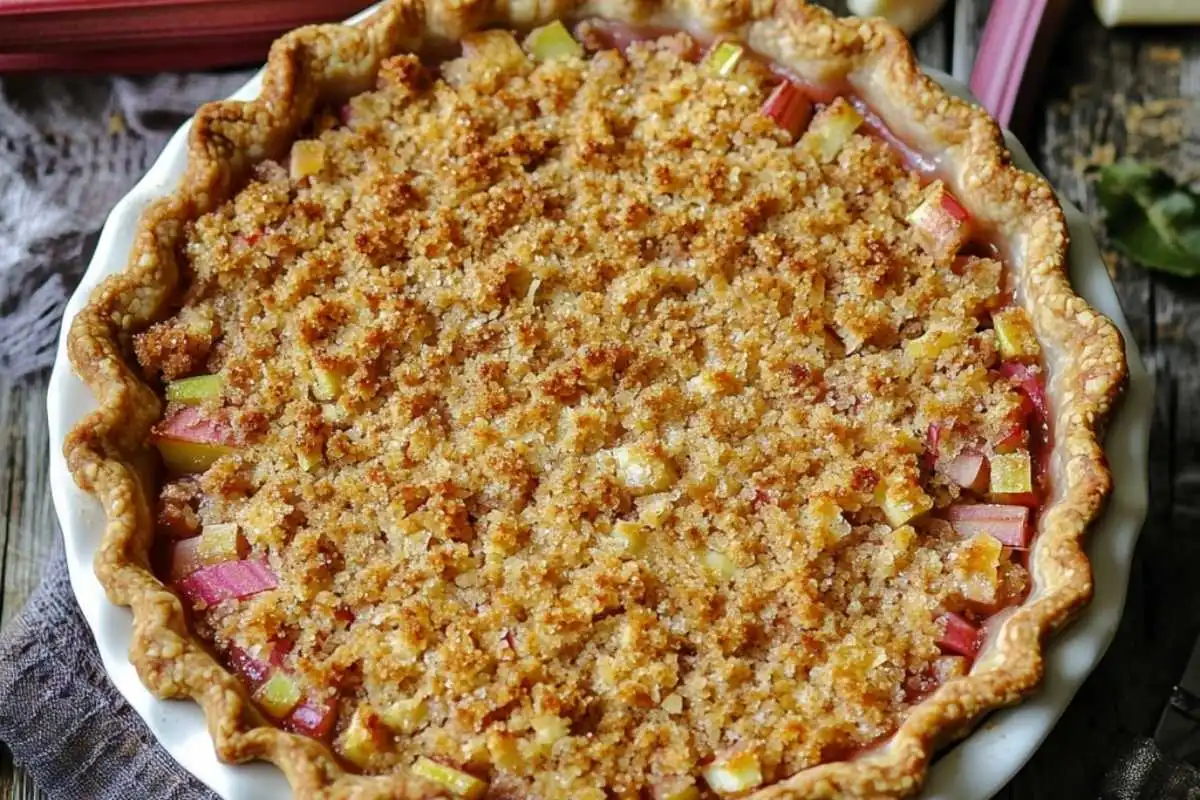
There’s a fleeting moment each spring when the rhubarb in my garden reaches that perfect ruby-red stage, and I know it’s time for something magical to happen in my kitchen. The tangy stalks might look intimidating to some, but transformed into this Dutch Rhubarb Pie, they become something altogether extraordinary. That sweet-tart filling bubbling beneath a golden, buttery streusel topping has been known to make even the most dedicated chocolate lovers at our table reach for seconds. This isn’t just pie—it’s spring’s most delicious tradition!
Why This Recipe Works
This Dutch Rhubarb Pie isn’t your standard fruit pie, and that’s exactly what makes it so special. The combination of the sweet streusel topping and the naturally tart rhubarb creates a perfect balance that lets the unique flavor of this spring vegetable (yes, it’s technically a vegetable!) truly shine. What makes this recipe truly outstanding is the way it embraces rhubarb’s natural tartness rather than trying to completely mask it with sugar. A touch of orange zest brightens the filling, while a hint of vanilla rounds out the sharp edges. The buttery streusel topping provides delicious textural contrast against the tender rhubarb filling, creating a more interesting experience than a traditional double-crust pie.
Key Components Breakdown
Essential Ingredients
Fresh rhubarb is the absolute star here. Look for stalks that are firm, crisp, and bright red or pink. The redder the stalks, the sweeter they’ll naturally be. If you’re harvesting from your garden, remember to discard the leaves as they’re not edible. If you can only find stalks with green patches, don’t worry—they’ll still taste wonderful, though you might want to add a touch more sugar.
A quality pie crust makes all the difference. I use my grandmother’s all-butter recipe, but a good store-bought crust works beautifully when you’re short on time. Just make sure it’s unbaked when you add the filling.
For the streusel topping, cold butter is non-negotiable. Those little pea-sized pieces of butter create the perfect crumbly texture as they melt in the oven. Room temperature butter simply won’t achieve the same result.
Orange zest might seem like a small addition, but it brings out rhubarb’s natural brightness in a way that’s subtle yet transformative. If you don’t have an orange on hand, lemon zest makes a wonderful substitute.
A hint of cinnamon in the streusel adds a warming note that beautifully complements the tart filling. I use Ceylon cinnamon for its more delicate flavor, but whatever you have in your spice cabinet will work perfectly.
Equipment Needed
A deep pie dish is essential for this recipe—rhubarb releases quite a bit of juice as it bakes, and a standard shallow pie plate might overflow. My 9-inch deep-dish ceramic pie plate has never let me down.
A food processor makes creating the streusel topping incredibly quick, but your fingers or a pastry cutter work just as well if you don’t mind a bit more hands-on time.
Parchment paper and pie weights (or dried beans) are helpful for blind-baking the crust to ensure it doesn’t puff up before adding the filling.
A baking sheet placed on the rack below your pie catches any potential overflow, saving you from the dreaded oven clean-up.
The Technique Section
Critical Steps
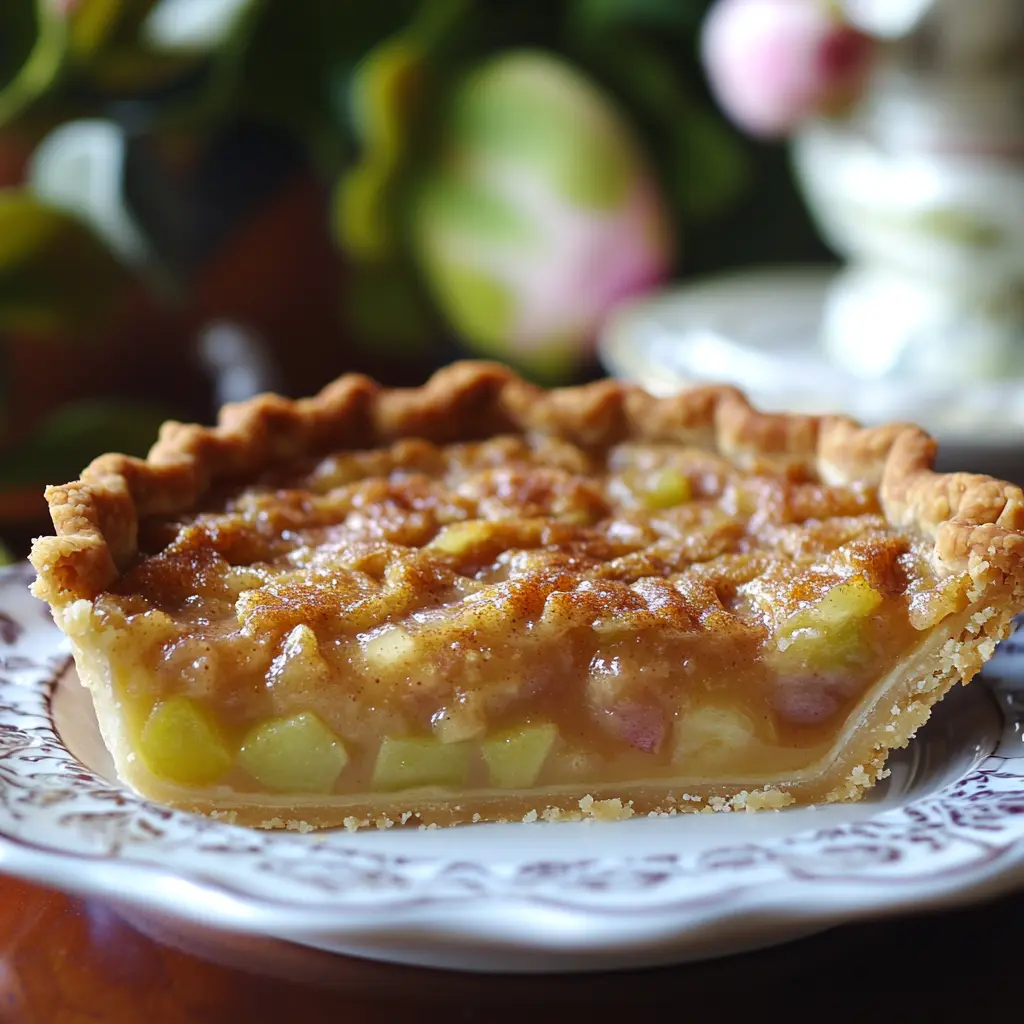
Preparing the rhubarb properly sets the foundation for a perfect pie. Cut the stalks into pieces about ½-inch thick—any larger and they might not cook through, any smaller and they might break down too much. I’ve found that cutting on a slight diagonal creates more surface area for the sugar to penetrate.
Macerating the rhubarb with sugar for about 30 minutes before baking is a game-changer. This draws out some of the excess moisture and begins the sweetening process. Just don’t discard that beautiful ruby liquid—it gets mixed with a bit of cornstarch to create the perfect thickness for your filling.
Blind-baking the crust for about 10 minutes before adding the filling ensures you’ll avoid the dreaded “soggy bottom.” Nobody wants that disappointment after all your hard work!
The streusel topping should be sprinkled, not packed, onto the filling. Keeping it light and uneven allows for beautiful browning and the perfect crispy-to-tender ratio.
Temperature and Timing
Start with a hot oven—425°F (220°C)—for the first 15 minutes to set the crust, then reduce to 375°F (190°C) to gently cook the filling without burning the streusel.
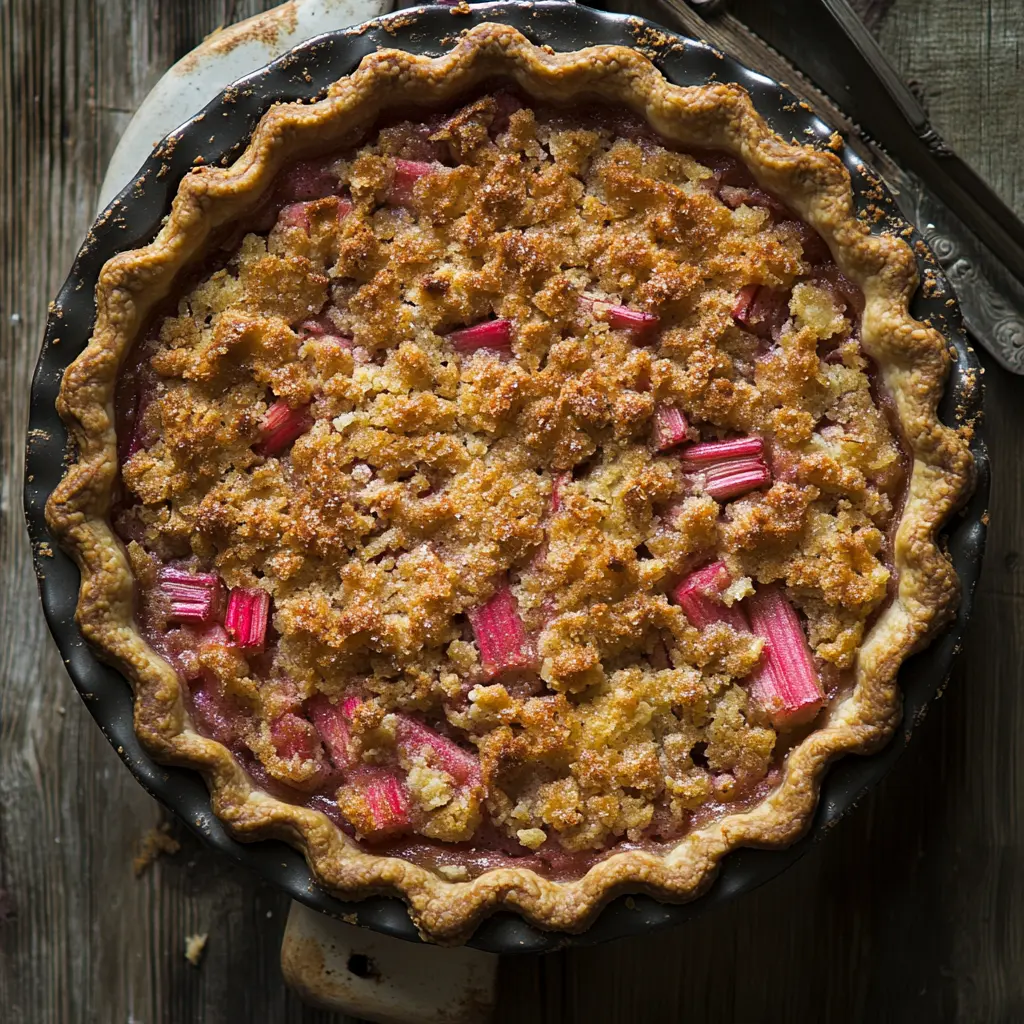
You’ll know the pie is done when the filling is bubbling around the edges and through some of the streusel topping. This visual cue is more reliable than strict timing since rhubarb can vary in moisture content.
Allow the pie to cool for at least 2 hours before slicing. I know this requires tremendous willpower with the amazing aroma filling your kitchen, but this cooling period is crucial for the filling to set properly.
Troubleshooting Guide
Common Issues
If your filling turns out too runny, you likely needed more cornstarch or didn’t let the pie cool completely. Next time, increase the cornstarch by a tablespoon and make sure to see those bubbles breaking through the surface before removing from the oven.
Streusel burning before the filling is done? Simply tent the pie with aluminum foil for the remainder of the baking time. The filling will continue to cook while your topping is protected.
A soggy bottom crust usually means either the filling was too wet or the crust wasn’t blind-baked long enough. Make sure to really let the rhubarb macerate and drain off that excess liquid before mixing it with the cornstarch.
Around here, I’ve found that rhubarb can vary dramatically in tartness. If your first attempt is too tart for your taste, don’t be afraid to increase the sugar next time. Baking is always about adjusting to your preferences!
Variations and Adaptations
Seasonal Options
In early summer, try mixing the rhubarb with fresh strawberries for a classic pairing that reduces the amount of added sugar needed.
For a fall twist, replace a portion of the rhubarb with thinly sliced apples and add a touch more cinnamon to the streusel.
During winter months when fresh rhubarb isn’t available, this same recipe works beautifully with frozen rhubarb—just thaw and drain it thoroughly before using.
Dietary Modifications
For a gluten-free version, use your favorite gluten-free pie crust and replace the all-purpose flour in the streusel with a cup-for-cup gluten-free flour blend.
Several readers have successfully made this with coconut oil instead of butter for a dairy-free option, though the streusel won’t be quite as crumbly.
To reduce sugar while maintaining sweetness, try replacing up to half the granulated sugar with monkfruit sweetener, which measures cup for cup but doesn’t have an aftertaste.
Storage and Make-Ahead
This pie actually improves with a day of rest, making it perfect for preparation before a gathering. The flavors meld and the filling sets up beautifully.
Store at room temperature, loosely covered, for up to 2 days. Any longer than that, and I recommend refrigerating it to maintain freshness.
For longer storage, this pie freezes surprisingly well. Let it cool completely, then wrap tightly in plastic wrap followed by aluminum foil. Freeze for up to 3 months and thaw overnight in the refrigerator before bringing to room temperature.
To reheat leftovers, warm individual slices in a 300°F (150°C) oven for about 10 minutes—this revives the crispness of the streusel much better than microwaving.
FAQ
Can I use frozen rhubarb instead of fresh?
Absolutely! Frozen rhubarb works wonderfully in this recipe. Thaw it completely in a colander to drain excess moisture, but don’t squeeze it dry—some of that juice contains great flavor. You might need to increase the cornstarch by about a tablespoon to account for the extra moisture.
Why is my rhubarb stringy?
Older, thicker rhubarb stalks can sometimes be stringy. To prevent this, use a vegetable peeler to remove any tough strings before chopping, much like you would with celery. Younger, thinner stalks rarely have this issue.
Can I make this without a bottom crust for a rhubarb crisp instead?
Definitely! Simply skip the pie crust preparation, butter a deep baking dish, add the prepared rhubarb filling, and top with the streusel. Reduce the initial baking temperature to 375°F (190°C) throughout and bake until bubbly, about 35-40 minutes.
How do I know when my pie is done?
Look for bubbling around the edges and through the center of the pie—this visual cue is essential as it indicates the cornstarch has activated and will properly thicken your filling. The streusel should be golden brown, and if you insert a small knife into the center, the rhubarb should feel tender.
Closing Thoughts
The best Dutch Rhubarb Pie nights are when we serve it slightly warm with a small scoop of vanilla ice cream slowly melting into all those nooks and crannies of the streusel topping. There’s something about that contrast of warm, tangy pie and cold, sweet cream that makes conversation pause momentarily as everyone savors that perfect bite.
In reality, this pie has become our family’s official welcome to spring. I couldn’t resist teaching my neighbor how to make it last year when she complained that her rhubarb patch was going to waste. Now she brings me a slice of her version every May, and I love seeing how this recipe evolves as it travels from kitchen to kitchen, each baker adding their own special touch while keeping the heart of what makes it so irresistible.
PrintDutch Rhubarb Pie
A perfectly balanced sweet-tart pie with a buttery streusel topping that celebrates spring’s most underappreciated vegetable!
Prep Time: 30 minutes | Cook Time: 50 minutes | Total Time: 3 hours (including cooling) | Servings: 8
Ingredients
For the Crust:
- 1 unbaked pie crust (homemade or store-bought)
For the Filling:
- 5 cups fresh rhubarb, cut into ½-inch pieces (about 2 pounds)
- 1¼ cups granulated sugar
- ¼ cup cornstarch
- 2 tablespoons orange zest (from 1 large orange)
- 1 teaspoon vanilla extract
- ¼ teaspoon salt
For the Streusel Topping:
- 1 cup all-purpose flour
- ⅔ cup packed brown sugar
- ½ cup cold butter, cubed
- ½ teaspoon ground cinnamon
- ¼ teaspoon salt
Instructions
- Preheat oven to 425°F (220°C). Line a 9-inch deep-dish pie plate with your pie crust, crimping the edges decoratively. Refrigerate while preparing the filling.
- In a large bowl, combine rhubarb and granulated sugar. Stir gently to coat and let sit for 30 minutes, stirring occasionally. This draws out excess moisture and helps sweeten the tart rhubarb.
- Meanwhile, prepare the streusel topping. In a medium bowl, combine flour, brown sugar, cinnamon, and salt. Add cold butter cubes and use a pastry cutter or your fingers to work it in until the mixture resembles coarse crumbs with some pea-sized butter pieces remaining. Refrigerate until ready to use.
- Line the chilled pie crust with parchment paper and fill with pie weights or dried beans. Blind-bake for 10 minutes, then remove the weights and parchment and set aside.
- Drain the rhubarb in a colander set over a bowl to catch the juices. You should get about ¼-½ cup of liquid. Transfer the rhubarb to another bowl.
- Whisk cornstarch into the reserved rhubarb liquid until completely smooth. Add orange zest, vanilla extract, and salt, then pour this mixture back over the rhubarb and stir gently to combine.
- Pour the rhubarb filling into the partially baked crust. Sprinkle the streusel topping evenly over the filling, breaking up any very large clumps but leaving it fairly loose and irregular for the best texture.
- Place the pie on a baking sheet (to catch any overflow) and bake at 425°F (220°C) for 15 minutes, then reduce the temperature to 375°F (190°C) and continue baking for 35-40 minutes more, until the filling is bubbling vigorously and the streusel is golden brown. If the streusel is browning too quickly, tent loosely with aluminum foil.
- Transfer to a wire rack and allow to cool completely, at least 2 hours, before slicing. This cooling time is essential for the filling to set properly.
- Serve at room temperature or slightly warm, with vanilla ice cream or lightly sweetened whipped cream if desired.
Notes:
- If your rhubarb is particularly green (rather than red), you might want to add an extra 2 tablespoons of sugar to compensate for the increased tartness.
- The pie can be made a day ahead; the flavors actually improve overnight.
- Remember: never use rhubarb leaves as they contain toxic compounds. Only the stalks are edible.
Storage Tips:
Store at room temperature, loosely covered, for up to 2 days. Refrigerate for longer storage, up to 5 days. Reheat individual slices in a 300°F (150°C) oven for 10 minutes to restore the crispness of the topping.