
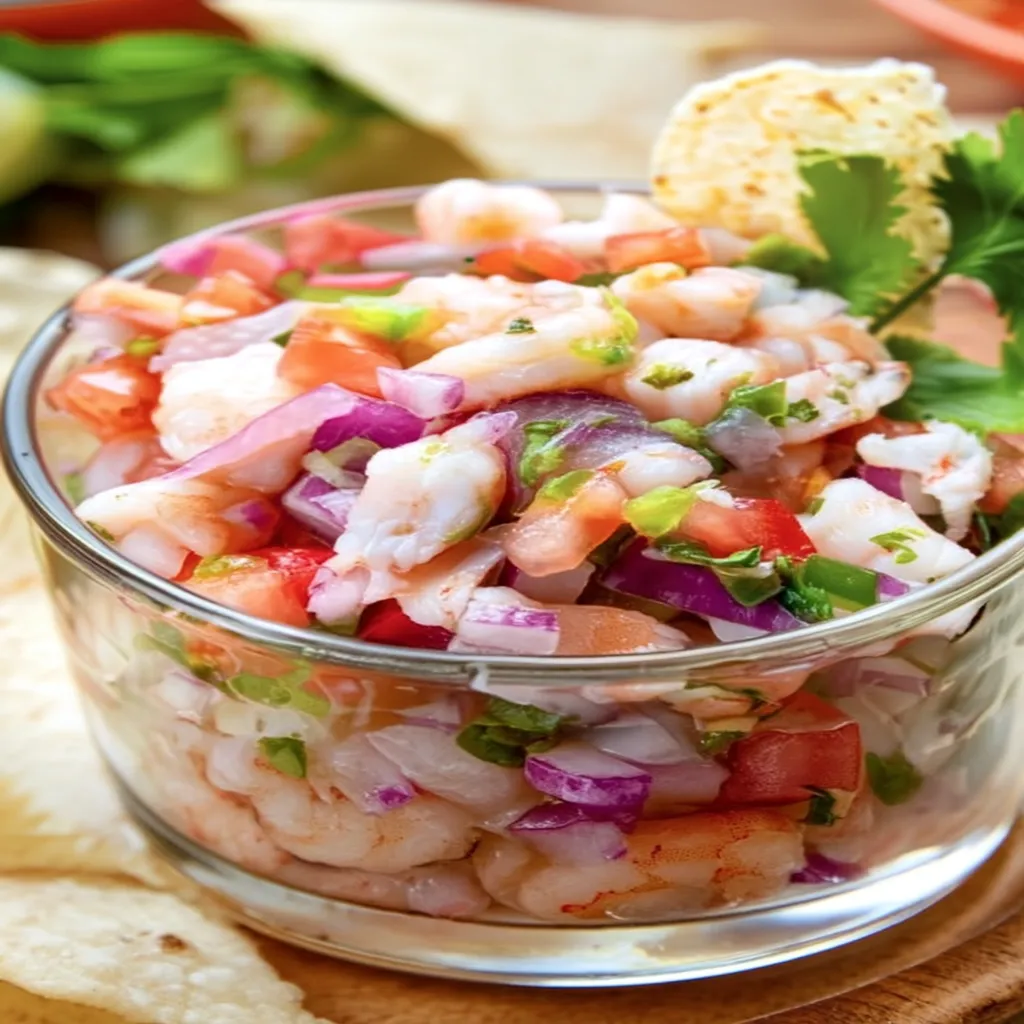
Hey there, kitchen pals! I still remember the first time I whipped up Shrimp Ceviche for a summer barbecue at my place. It was a total gamble (I’d never worked with raw shrimp before!), but the bright, zesty flavors and that tender texture won over everyone, including my picky brother-in-law who usually sticks to burgers.
I’ve been hooked on perfecting Shrimp Ceviche ever since, and I’m thrilled to share my hard-earned tips with you today.
Now, I’ve made this dish dozens of times, tweaking it here and there, and let me tell ya, it’s become a family staple. My kids beg for it on hot days, and I’ve learned a thing or two about making it foolproof. So, whether you’re a ceviche newbie or a seasoned pro, stick with me for some game-changing advice to make this dish a crowd-pleaser.
Why You’ll Love This Recipe
I’ve found that Shrimp Ceviche is one of those recipes that looks fancy but is secretly super easy to pull off. It’s light, refreshing, and packs a punch of citrusy goodness that just screams summer—or honestly, any time you need a pick-me-up. In my kitchen, it’s a go-to for quick appetizers when friends swing by unexpectedly.
What I adore most is how versatile it is; you can tweak it to your taste without much fuss. Plus, there’s no cooking over a hot stove, which is a lifesaver when it’s 90 degrees out. Trust me, once you nail this, you’ll be making it on repeat!
Ingredients List
Alright, let’s talk ingredients for Shrimp Ceviche because, honestly, the quality of what you use makes all the difference. I prefer fresh, wild-caught shrimp whenever I can get my hands on them—they just have that sweet, oceanic vibe that elevates the whole dish. Here’s everything you’ll need to make a batch that serves about 4-6 as an appetizer.
Shrimp and Marinade
- 1 pound (450g) raw shrimp, peeled, deveined, and cut into bite-sized pieces (I usually buy medium-sized for easier chopping)
- 3/4 cup (180ml) fresh lime juice, about 6-8 limes (squeeze ‘em fresh if you can; it’s worth it!)
- 1/4 cup (60ml) fresh orange juice, for a hint of sweetness (I like using navel oranges)
- 1 teaspoon (5g) kosher salt, to enhance all those flavors
Veggies and Seasonings
- 1 small red onion, finely diced (I go for the mildest one I can find to avoid overpowering the dish)
- 1-2 jalapeños, seeded and minced (adjust based on your heat tolerance; I usually stick to one)
- 1 medium cucumber, peeled and diced small (adds a nice crunch)
- 2 medium tomatoes, seeded and diced (Roma works great for less juice)
- 1/2 cup (15g) fresh cilantro, chopped (I’m obsessed with cilantro, but skip if it’s not your thing)
- 1 large avocado, diced (add this right before serving to keep it from browning)
- 1/2 teaspoon (2g) freshly ground black pepper, for a little kick
I usually buy my shrimp from a local fishmonger, but frozen works too—just make sure it’s thawed properly. And don’t skimp on the lime juice; it’s the magic that “cooks” the shrimp!
Variations
One of the reasons I’m nuts about Shrimp Ceviche is how easy it is to switch things up based on what I’ve got in the fridge or who I’m feeding. I’ve tried a bunch of twists over the years, and here are some of my faves. Whether you’re craving heat or something tropical, there’s a version for everyone.
- Spicy Kick: Toss in an extra jalapeño or a dash of hot sauce if you’re a heat lover like me. I tried this once for a game night, and my buddies couldn’t stop raving (or reaching for water)!
- Mango Madness: Add 1 cup of diced fresh mango for a sweet-tart vibe that pairs insanely well with shrimp. My kids always ask for this fruity twist.
- Coconut Infusion: Mix in 1/4 cup of coconut milk to the marinade for a creamy, tropical note. I stumbled on this during a beach-themed party, and it felt like vacation in a bowl.
- Peruvian Style: Throw in some boiled sweet potato cubes and a sprinkle of roasted corn kernels for that authentic South American flair. I love how hearty this gets.
- Citrus Swap: Use grapefruit juice instead of orange for a bolder, tangy edge. It’s a bit unconventional, but I think it works beautifully.
- Herby Twist: Swap cilantro for fresh mint or basil if you’re in the “cilantro tastes like soap” camp. I’ve done mint before, and it’s surprisingly refreshing.
- Seafood Medley: Add in some diced raw scallops or white fish along with the Shrimp Ceviche for a mixed seafood treat. Just make sure everything’s super fresh.
- Garlic Lover’s: Mince in a clove or two of garlic to the marinade for an extra punch. My husband goes wild for this one every time.
These tweaks keep things exciting, so don’t be afraid to play around until you find your perfect Shrimp Ceviche vibe!
Servings and Timing
In my experience, this Shrimp Ceviche recipe serves about 4-6 people as an appetizer or light snack, though I’ve seen it disappear faster with a hungry crowd. If you’re making it for a main dish, I’d say it’s closer to 3-4 servings. Here’s the timing breakdown based on how it usually goes in my kitchen.
- Prep Time: 20 minutes
- Marinating Time: 30-45 minutes
- Total Time: About 1 hour
It usually takes me a little longer if I’m chatting with someone while chopping, but you get the idea. Plan ahead since the marinating step can’t be rushed!
Step-by-Step Instructions
Let’s dive into making Shrimp Ceviche with a step-by-step guide that’s straight from my kitchen to yours. I’ve got some little tricks up my sleeve to make this a breeze, so follow along, and don’t stress if it’s your first time. I’ve messed up plenty before getting it just right!
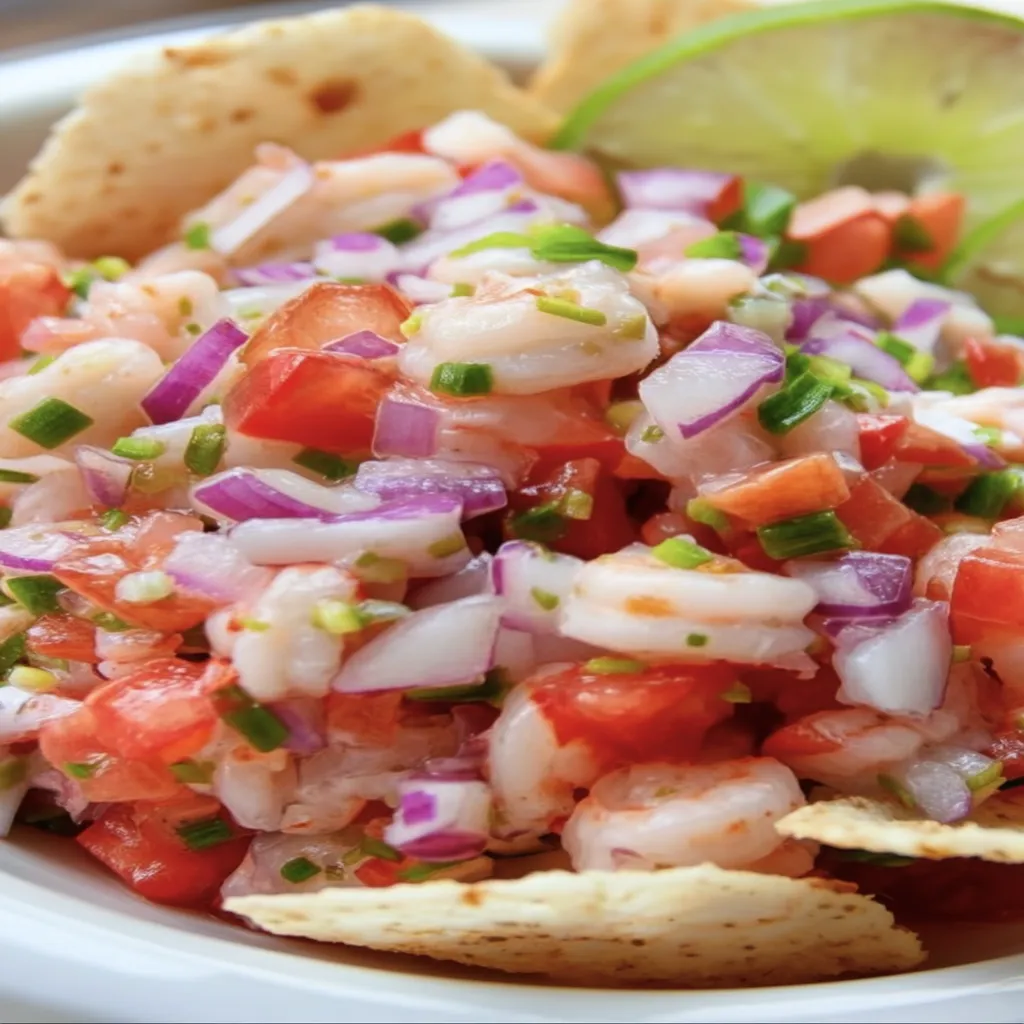
Step 1: Prep the Shrimp
Start by rinsing your raw shrimp under cold water, then pat ‘em dry with paper towels. Cut them into small, bite-sized pieces—think half-inch chunks—so they “cook” evenly in the citrus juice. I’ve learned that smaller pieces soak up the marinade faster, making your Shrimp Ceviche tender and flavorful in no time.
Step 2: Mix the Marinade
In a large glass or ceramic bowl (avoid metal since it can react with the acid), combine the lime juice, orange juice, and salt. Stir it up, then toss in your shrimp pieces until they’re fully submerged. I always give it a good mix to make sure every piece gets that zesty bath—it’s the key to perfect Shrimp Ceviche.
Step 3: Let It Marinate
Cover the bowl with plastic wrap and pop it in the fridge for 30-45 minutes. You’ll see the shrimp turn from grayish to pinkish-white and opaque—that’s the citrus working its magic! I usually check at the 30-minute mark; if it’s not fully opaque, I give it a few more minutes, but don’t overdo it or it’ll get rubbery.
Step 4: Add the Veggies
Once the shrimp is “cooked,” drain off about half the marinade (or keep it if you like it extra tangy like I do). Fold in the diced onion, jalapeño, cucumber, tomatoes, cilantro, and black pepper. I like to mix gently with a rubber spatula so I don’t mash up the ingredients—keeps the Shrimp Ceviche looking pretty.
Step 5: Final Touches
Right before serving, dice up your avocado and gently stir it in. This keeps it from turning brown and mushy in the marinade. Serve it chilled with tortilla chips or tostadas, and watch it disappear! I’ve had guests literally scoop the last bits straight from the bowl, so make extra if you’re hosting.
Nutritional Information
I’m not gonna lie, I don’t always obsess over the numbers, but I know some of you like to keep track, so here’s the breakdown for Shrimp Ceviche based on a serving for 6. These are rough estimates since portion sizes vary, but it gives you a good idea. It’s pretty light, which is why I love it as a guilt-free snack!
- Calories: 150 per serving
- Fat: 6g
- Protein: 16g
- Carbohydrates: 10g
- Sodium: 400mg
Healthier Alternatives
If you’re looking to lighten up your Shrimp Ceviche, I’ve got a few swaps I’ve tried when I’m watching what I eat. They don’t sacrifice flavor, which is huge for me since I’m not about bland food. Here’s what’s worked in my kitchen.
- Less Salt: Cut the kosher salt in half and add a pinch of sea salt at the end for flavor without the sodium overload.
- Avocado Swap: Skip the avocado or use just half to lower the fat content; I’ve done this and boosted the cucumber for extra crunch instead.
- Citrus Balance: Use more lime juice and less orange juice to reduce natural sugars. I’ve found this keeps the Shrimp Ceviche just as zippy.
These tweaks are great if you’re aiming for balance without losing that fresh, vibrant taste I crave.
Serving Suggestions
I love serving Shrimp Ceviche in all sorts of ways, depending on the vibe I’m going for. It’s so versatile that you can dress it up or keep it casual. Here are a couple of my go-to ideas.
- Party Appetizer: Scoop it into small bowls or martini glasses with tortilla chips on the side for a chic, crowd-pleasing starter. I did this at my last dinner party, and it was a hit!
- Light Lunch: Serve Shrimp Ceviche over a bed of crisp lettuce with a few plantain chips for a refreshing, low-carb meal. It’s my favorite on busy days.
Common Mistakes to Avoid
I’ve made my fair share of blunders with Shrimp Ceviche over the years, so let me save you some heartache with these pitfalls. Trust me on this one—I learned the hard way! Avoid these slip-ups for the best results.
- Over-Marinating: Don’t leave the shrimp in the citrus too long; past an hour, it gets tough and chewy. I ruined a batch once by forgetting it overnight—total bummer.
- Bad Shrimp: Always use fresh or properly thawed shrimp for Shrimp Ceviche; anything less can taste fishy or, worse, make you sick. I’ve had to toss a batch before because I skimped on quality.
Storing Tips
In my experience, Shrimp Ceviche is best eaten fresh, but if you’ve got leftovers, here’s how to store it. I’ve found it doesn’t keep quite as well as cooked dishes, so plan accordingly.
- Refrigerator: Store in an airtight container for up to 1 day, but add avocado only when ready to eat.
- Freezing: Honestly, I don’t recommend freezing; the texture just isn’t the same after thawing.
FAQs
I get a ton of questions about making Shrimp Ceviche, so I’ve rounded up the most common ones I hear from friends and readers. Here are my answers, straight from my own trials and errors. Let’s dive in!
Is it safe to eat raw shrimp in ceviche?
Yes, as long as you use fresh, high-quality shrimp and the citrus juice fully “cooks” it! I always buy from a trusted source and check that it turns opaque after marinating. Better safe than sorry, right?
How long does Shrimp Ceviche need to marinate?
In my kitchen, 30-45 minutes usually does the trick. You’ll see it turn pinkish-white when it’s ready. Don’t go much longer, or it’ll get tough.
Can I use cooked shrimp instead?
You can, but I don’t love the texture as much for Shrimp Ceviche. Raw shrimp absorbs the citrus better, giving that fresh, tender bite. If you use cooked, just mix and serve—no need to marinate long.
What if I don’t like cilantro?
No worries at all! Skip it or swap with parsley or mint for a different vibe. I’ve done both when cooking for picky eaters, and it still tastes awesome.
Can I make this ahead of time?
Sorta. You can marinate the shrimp a few hours ahead, but I’d add the veggies and avocado right before serving to keep everything crisp. I’ve prepped it for parties this way with no issues.
What’s the best way to serve it?
I’m partial to tortilla chips or tostadas for that crunch, but spooning it over greens works for a lighter option. Experiment and see what you vibe with!
Can I use frozen shrimp?
Absolutely, I do it all the time! Just thaw it slowly in the fridge overnight and pat it dry before using. It works just fine if you don’t have fresh on hand.
How spicy is this recipe?
It depends on the jalapeños and how many you toss in. I usually stick to one for a mild kick, but feel free to dial it up or down. My family’s split on heat, so I adjust per crowd.
Conclusion
Well, folks, that’s my take on crafting the perfect Shrimp Ceviche that’s bursting with flavor and super easy to pull off. I hope my tips and tricks help you create a dish that wows your crew as much as it does mine. Give this Shrimp Ceviche a whirl, and let me know how it turns out—I’d love to hear your twists and stories!